How to Send Laundry Through Hotel Reception in Da Nang
Use this hotel-reception laundry checklist to label bags, remove valuables, confirm pickup details and check the returned order in Da Nang.
Learn when whites, dark colours and new garments should be separated, how care labels help and when a separation fee may apply.
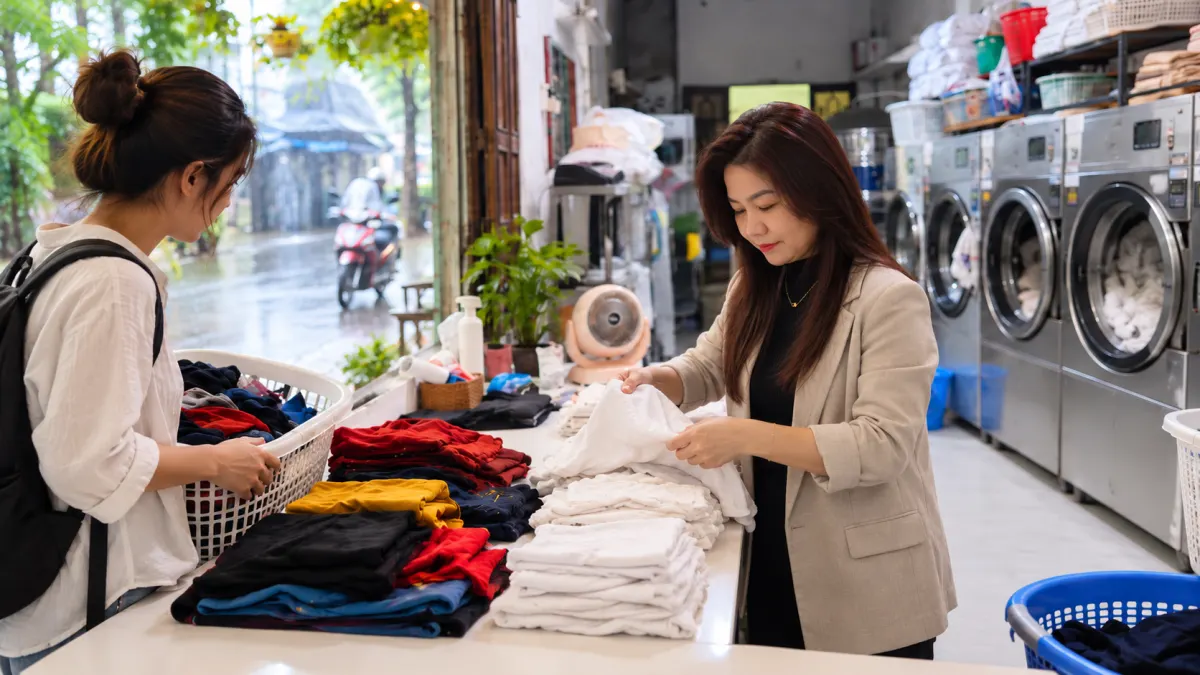
When to Separate White and Coloured Clothes for Laundry gives customers a practical way to prepare and confirm laundry service in Da Nang. Learn when whites, dark colours and new garments should be separated, how care labels help and when a separation fee may apply. The guidance prioritises care labels, the actual condition of each item and details confirmed in writing. It is intended to support a clear handover and realistic expectations, not to promise that every fabric, stain or special item can use the same process.
Start with laundry service in Son Tra and confirm the service details that apply to your order.
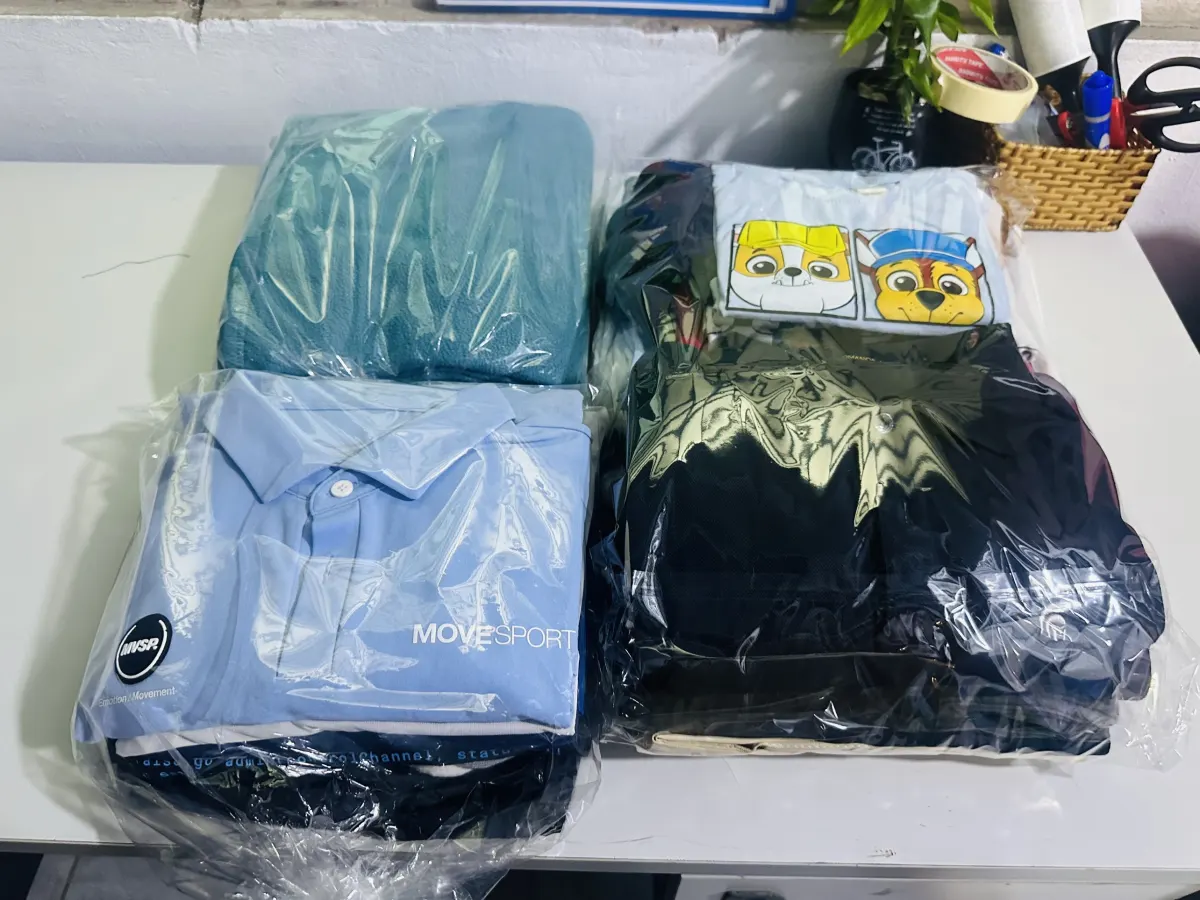
Loose dye from a new or deeply coloured garment can move into the wash water and affect lighter fabric. Water temperature, cycle length, detergent, fibre type and previous washing history all matter. One successful mixed wash does not prove that every future load is safe, so uncertain items should be identified before they enter the regular bag.
Keep every instruction in the same booking conversation so pickup, processing and return teams use one record. Send a clear care-label photo when an item needs special handling.
New jeans, red garments, black clothing, dark blue fabric and coloured towels deserve extra attention during their first washes. If colourfastness is unknown, separate them from whites, pale items and valuable clothing. Do not test an uncertain piece inside a full travel load when a simple separate-care request can reduce the risk.
A faster deadline must not override the manufacturer's care instructions. Ask the laundry to confirm what can be completed safely before the order is accepted.
The care label provides temperature, washing, bleaching and drying limits. Compare labels before grouping garments. Missing or unreadable labels should be mentioned because similar colours do not guarantee similar fibres or finishes. A dark sports top with heat-sensitive print may require a different process from a dark cotton towel even when colour transfer is not the main concern.
Photos support an initial review but do not always show fabric, damage or moisture accurately. Final timing and price should follow the physical inspection and weighing.
Related guidance: laundry tips for travellers in Da Nang.
Items may share a load when colours are stable, labels allow a compatible cycle and their construction is suitable. Even then, lint-producing towels, garments with metal hardware or delicate pieces may need separation for mechanical reasons. Grouping should consider colour, fabric, accessories and drying limits instead of relying on colour alone.
Remove valuables and record the number of bags before handover. A short written confirmation is useful when hotel reception is acting on the guest's behalf.
When a customer asks Cherry Laundry to divide whites and colours, an additional load is required. The current content reference is VND 20,000 for each requested separation. The number of groups and the fee should be explained before processing; a charge should never be added simply because the customer used a vague phrase such as 'wash carefully.'
Separate priority items from special or delicate pieces. This makes it easier to return the essential clothes first without applying an unsuitable process to the whole bag.
Write the request as practical groups: whites, dark colours, new garments, delicate pieces and priority items. Photograph the care label of anything uncertain and state 'do not wash with the regular load' when needed. Specific instructions are more useful than assuming the laundry will know the history or value of every item in a closed bag.
Check the returned order before packing for travel. Allow warm items to cool in a ventilated space before placing them in an airtight suitcase.
A practical sorting decision uses several questions. Is the garment new? Is the colour deep or unstable? Does the label allow the same water temperature and drying method as the rest of the bag? Can it release lint, catch on other fabric or transfer print? A white cotton shirt and a white coated jacket may share a colour but still require different care, while two stable cotton colours may sometimes use a compatible process.
When uncertainty remains, isolate the smallest risky group instead of dividing every item automatically. Send a photo and ask what separate processing is actually available. This approach controls both risk and cost: the customer understands why a second load is proposed, and the laundry avoids presenting separation as a universal rule or an unexplained fee after the order has started.
Sort the bag once before pickup. Create clearly labelled groups and send care-label photos for new, dark or valuable pieces. Ask Cherry Laundry whether the groups require separate loads and approve the number of separation fees in writing. Keep the labels or bag ties in place until the order is accepted.
Not always. Colour stability, fabric, care labels and garment construction should be considered together.
The current content reference is VND 20,000 for each requested separation. Confirm the number of loads before washing.
Place it in a separate group, photograph its care label and state clearly that it should not enter the regular mixed load.
Good sorting is a risk-based decision, not a rigid colour rule. Share clear groups and labels, then confirm any separate-load fee before Cherry Laundry starts the order.
Next step: contact Cherry Laundry.
Service details may change. Reconfirm price, pickup range, capacity and the phone number shown on the official profile before publishing or booking.
The questions and answers below are automatically summarized from this article.
Confirm colour-transfer risk. Confirm new and dark garments.
Loose dye from a new or deeply coloured garment can move into the wash water and affect lighter fabric. Water temperature, cycle length, detergent, fibre type and previous washing history all matter. One successful mixed wash does not prove that every future load is safe, so uncertain items should be identified before they enter the regular bag. Keep every instruction in the same booking conversation so pickup, processing and return teams use one record. Send a clear care-label photo when an item needs special handling.
New jeans, red garments, black clothing, dark blue fabric and coloured towels deserve extra attention during their first washes. If colourfastness is unknown, separate them from whites, pale items and valuable clothing. Do not test an uncertain piece inside a full travel load when a simple separate-care request can reduce the risk. A faster deadline must not override the manufacturer's care instructions. Ask the laundry to confirm what can be completed safely before the order is accepted.
The care label provides temperature, washing, bleaching and drying limits. Compare labels before grouping garments. Missing or unreadable labels should be mentioned because similar colours do not guarantee similar fibres or finishes. A dark sports top with heat-sensitive print may require a different process from a dark cotton towel even when colour transfer is not the main concern. Photos support an initial review but do not always show fabric, damage or moisture accurately. Final timing and price should follow the physical inspection and weighing.
Items may share a load when colours are stable, labels allow a compatible cycle and their construction is suitable. Even then, lint-producing towels, garments with metal hardware or delicate pieces may need separation for mechanical reasons. Grouping should consider colour, fabric, accessories and drying limits instead of relying on colour alone. Remove valuables and record the number of bags before handover. A short written confirmation is useful when hotel reception is acting on the guest's behalf.
More useful content about laundry service in Da Nang.
Use this hotel-reception laundry checklist to label bags, remove valuables, confirm pickup details and check the returned order in Da Nang.
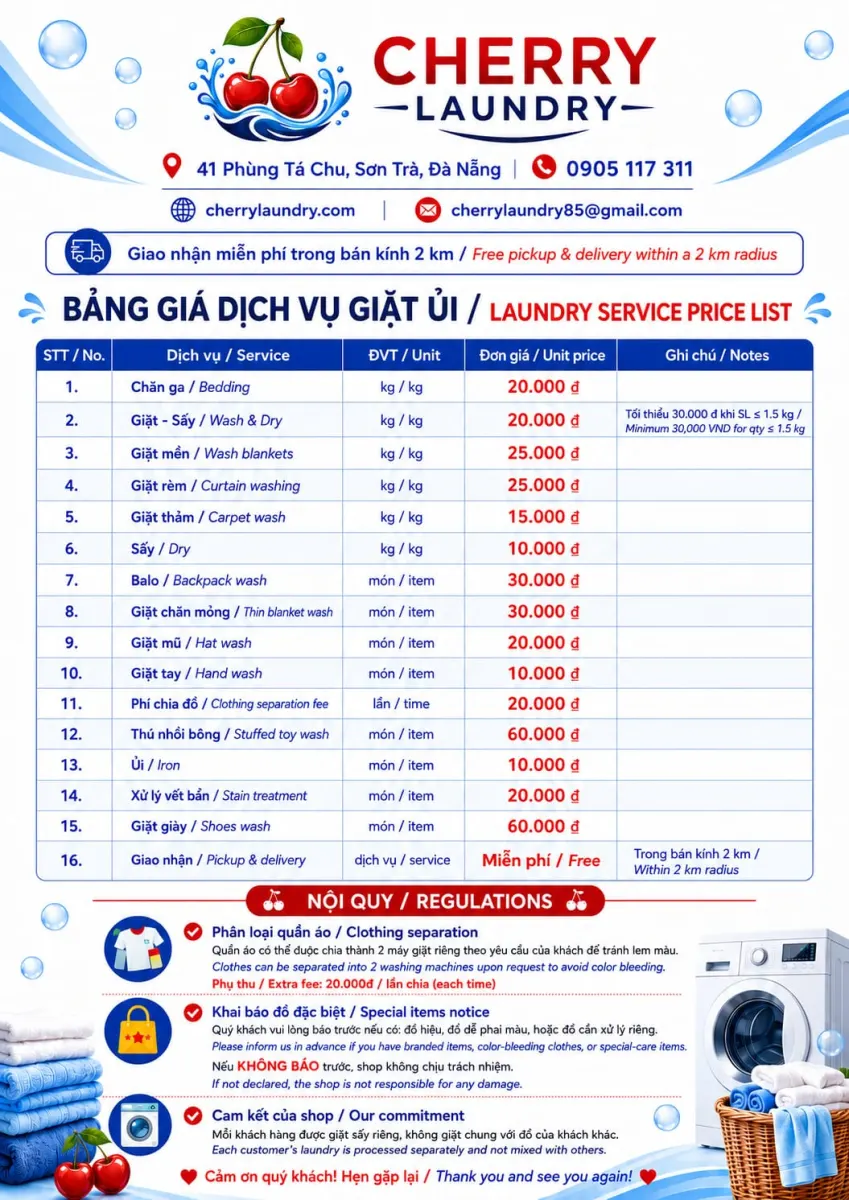
Learn about laundry prices by the kilogram in Son Tra, Da Nang, including VND 20,000/kg, minimum 1.5 kg, sorting fees and pickup delivery
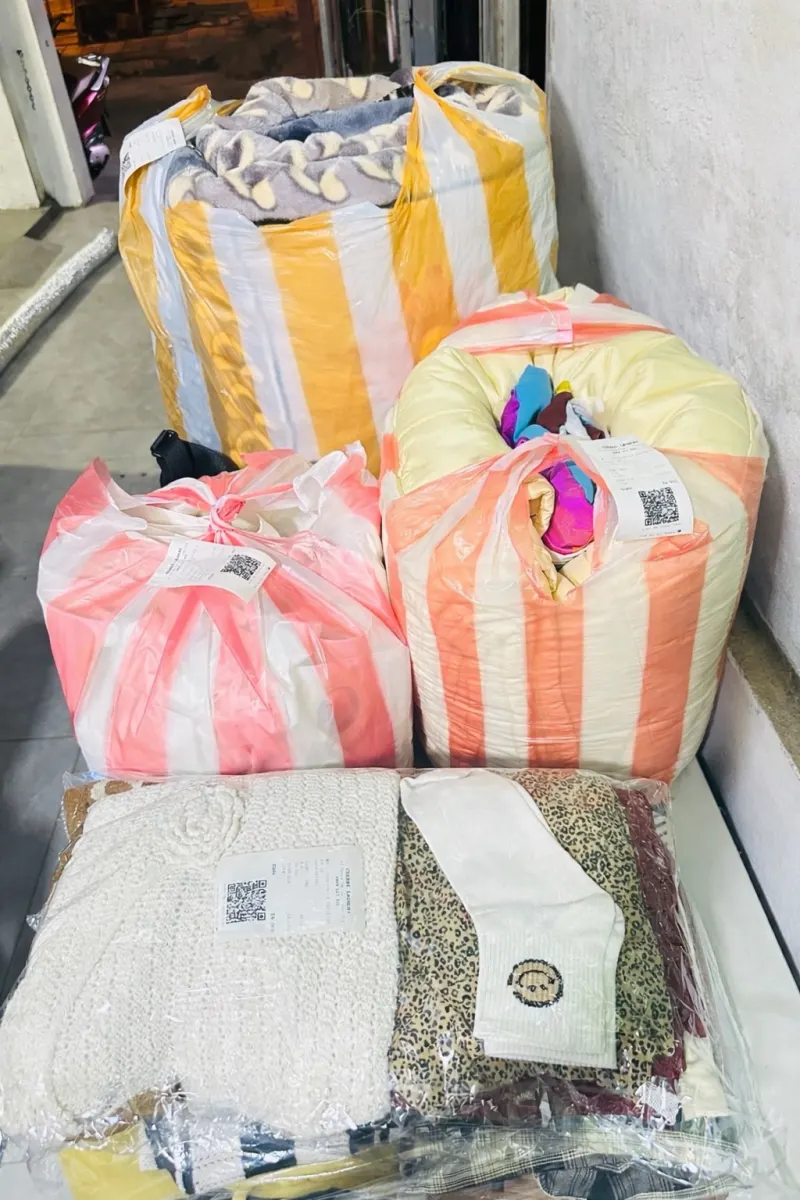
Looking for laundry service in Da Nang? Learn how to prepare and sort your clothes and use convenient laundry pickup and delivery while staying in Son Tra.
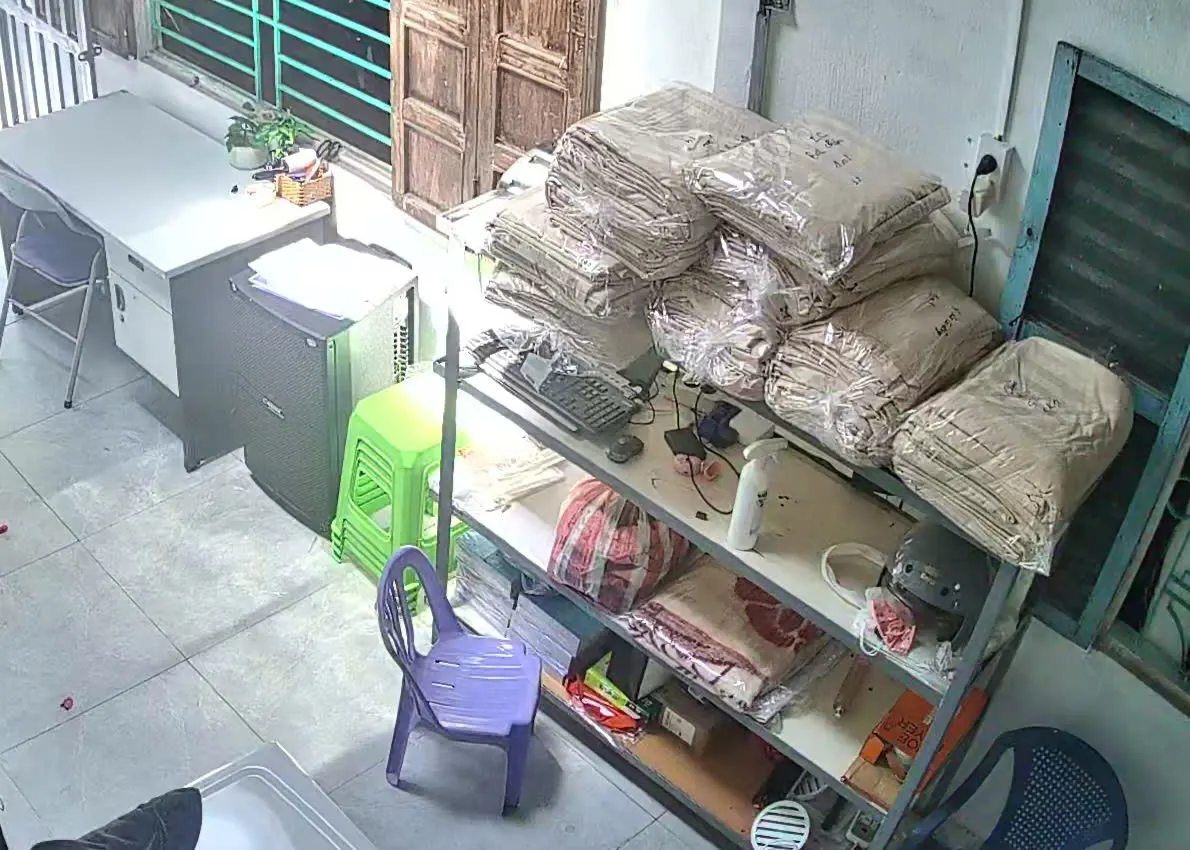
Looking for a reliable laundry service in Da Nang? Cherry Laundry offers wash, dry, fold, pickup and delivery for travelers staying in hotels, apartments, Airbnb and homestays near My Khe Beach and Son Tra.